
Executive brief · 2026
Physical AI, run like software
A business guide to deploying AI on robots, cameras, and machines: faster to ship, safer to update, and fully under your control.
Executive summary
AI is moving into the physical world. Deployment is the bottleneck.
Every industrial company is being asked the same question: when does AI reach the factory floor, the vehicle, the clinic, the site? The models are ready. What fails is everything underneath them. Most organizations still put software onto machines the way they did fifteen years ago: by hand, one device at a time, held together by scripts and the memory of a few engineers.
Wendy is a platform that makes machines behave like modern software. Devices are set up in minutes instead of hours, updated as safely as a phone updates overnight, and operated without any permanent back door for attackers to find. The core platform is open source and free forever, so there is no per-device tax and no lock-in.
This brief covers what the status quo costs, what changes with Wendy, how the platform holds up in a security review, where teams deploy it today, and what a low-risk pilot looks like.
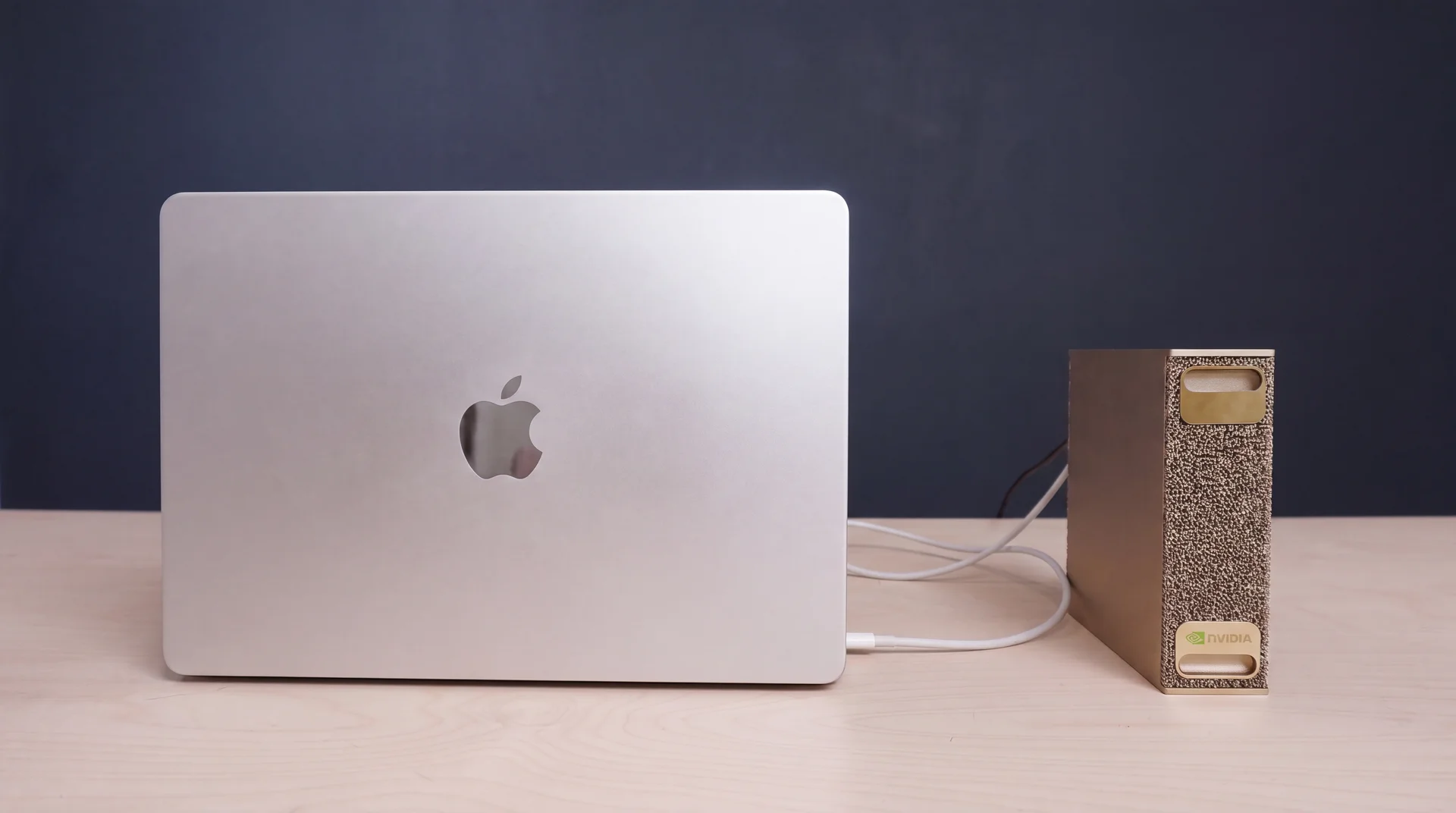
The whole deployment story: one laptop, one device, one cable.
The problem
What the status quo actually costs
The hidden line item in every physical AI initiative is not the model or the hardware. It is the labor and the risk of maintaining devices by hand.
Slow to ship
Getting one device ready for AI takes an experienced engineer about half a day of manual setup. Multiply that by every device, every re-image, and every new hire learning the ritual.
Fragile in the field
A failed update can leave a machine dead at a customer site. Recovering it means a site visit, a shipped replacement, or a very long support call.
Expensive to secure
Hand-maintained devices need a permanent way in for the people who maintain them. Every one of those doors is something your security team has to defend, forever.
Dependent on heroes
When each device is maintained by hand, the true state of your fleet lives in the heads of a few engineers. If they leave, the knowledge leaves with them.
Maintaining three devices by hand is a Tuesday. Thirty is a bad week. Three hundred is impossible.
This is not a staffing problem, and hiring more engineers does not fix it. It is an architecture problem: when the only way to run a fleet is to log into it machine by machine, cost and risk grow with every device you ship. The companies that win in physical AI will be the ones whose deployment model gets cheaper per device as the fleet grows, not more expensive.



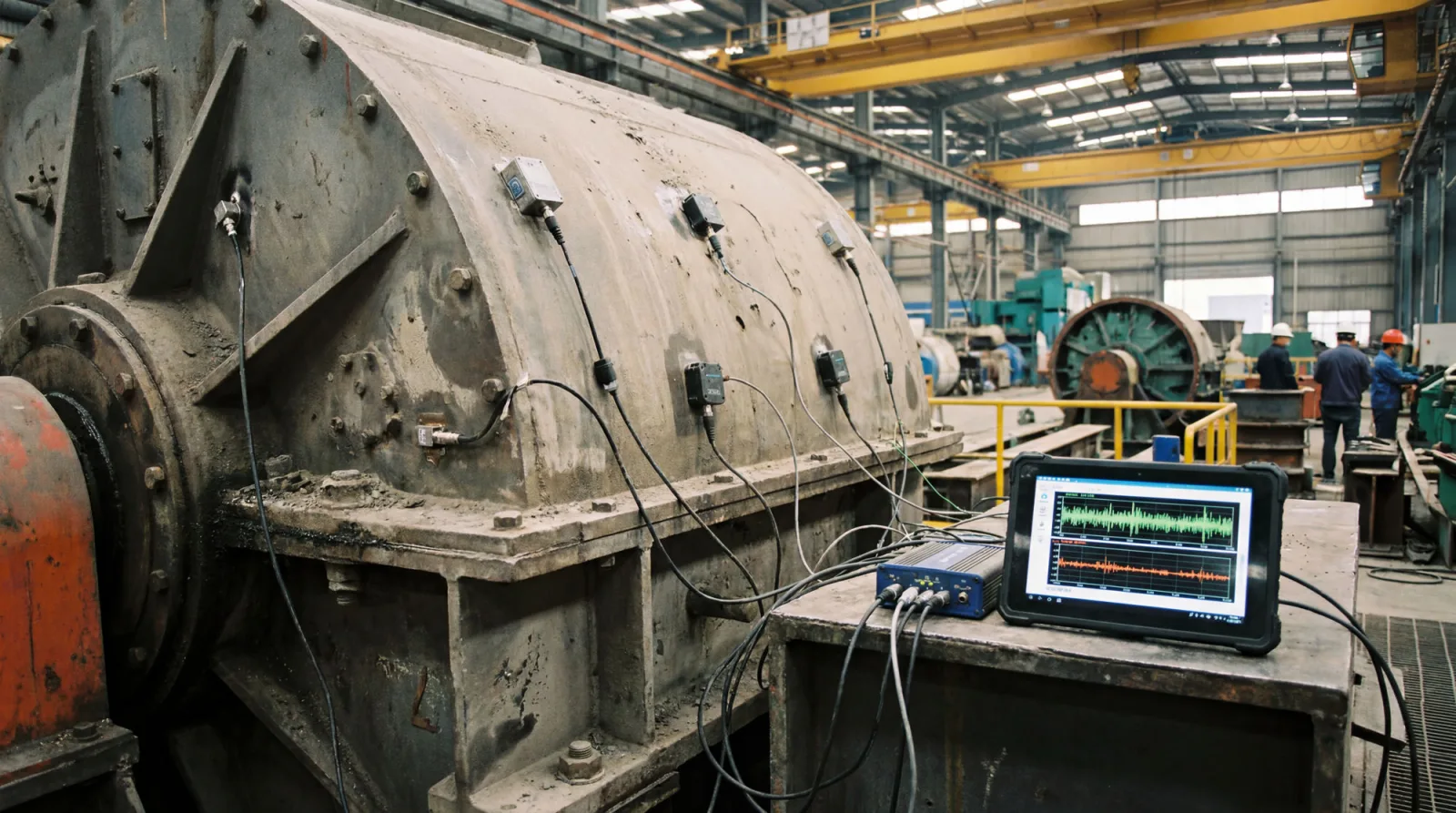
Where fleets actually live: plants, mines, and rigs. The maintenance model has to scale with them.
The change
What changes with Wendy
Four outcomes, in plain terms. The technical detail behind each one is covered in our engineering guide and is fully auditable.
Ship in minutes, not hours
An engineer plugs a device into a laptop and deploys with one command. New devices, new hires, and new sites stop being projects. In our arranged test, an MIT roboticist went from 3.5 hours of traditional setup, which still failed, to a working deployment in about three minutes.
Update without fear
Updates install alongside the running system and switch over only after the device proves it is healthy. If anything goes wrong, the device returns to its last good state on its own. No bricked hardware, no site visits.
Walk into security review prepared
Every connection to a device is authenticated in both directions with a certificate unique to that device. Applications are isolated and must declare what hardware they may touch. There is no remote login backdoor to defend, and the entire platform is open source, so your security team can verify instead of trust.
Never locked in
The operating system and tools are free forever under the Apache 2.0 open-source license. There are no per-device fees and no seat licenses, and applications are packaged in the same industry-standard containers your cloud teams already use. If you ever leave, you take your software with you.
Above: the deployment test we arranged with MIT roboticist Claire Wang. The traditional path consumed 3.5 hours and more than 100 steps and still failed to produce a working board. The Wendy path produced a running application, with live logs, in about three minutes.
Risk & control
Built to survive your security review
For legal, medical, defense, and financial organizations, the deciding question is control: where the data goes, who can reach the device, and what your team can verify.
Your data stays yours
AI runs on the device or on servers you own. Camera feeds, patient data, process recipes, and documents never have to leave your building, even when devices are fully offline.
Every claim is checkable
The platform is open source and we publish our security threat analysis publicly. Your reviewers can read the code and the analysis rather than take our word for it.
No permanent back doors
Production devices ship with no remote login at all. They are operated through one authenticated channel, so there is no standing access for anyone to steal or misuse.
Built for the disconnected
Factories with air-gapped networks, vehicles out of coverage, and clinics with unreliable internet all run the same way: everything works locally, and connectivity is an option rather than a requirement.
Sovereign AI
Firms in regulated industries deploy AI models to servers they own with one command, and data, prompts, and answers never leave the building. The same platform that runs a robot in the field runs a private AI system in your own server room.

On-premise AI in a law office: the model, the data, and the answers stay inside the firm.
Adoption
Where teams deploy it
Four sectors, one common thread: the intelligence runs where the work happens, not in someone else's data center.
Industrial & energy
Inspection, maintenance prediction, and safety monitoring run on the machine itself, so production never waits on a network and process secrets never leave the plant.
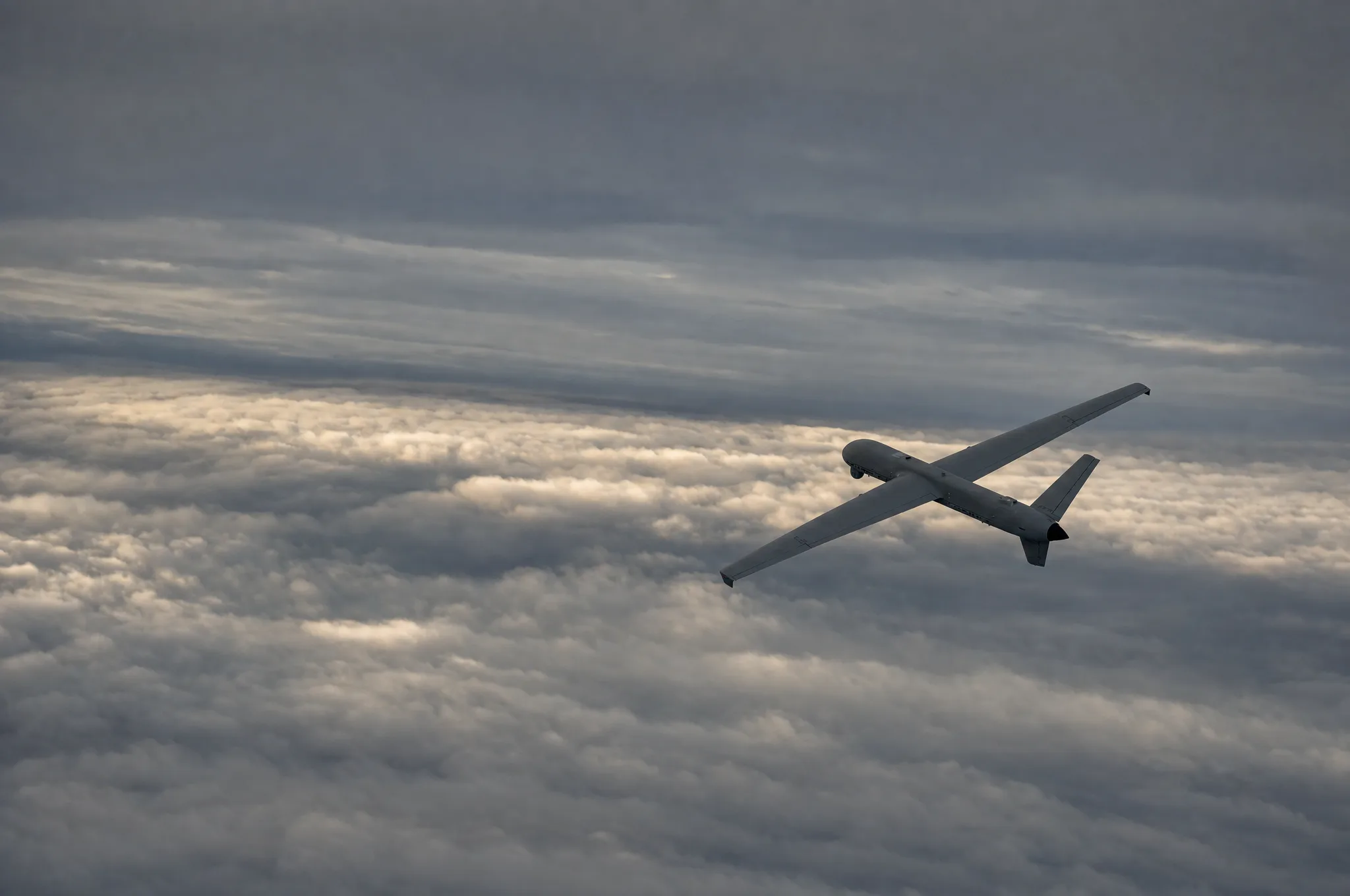
Defense
Platforms keep operating where there is no signal at all, updates arrive safely in the field, and every action is logged on the device for after-action review.
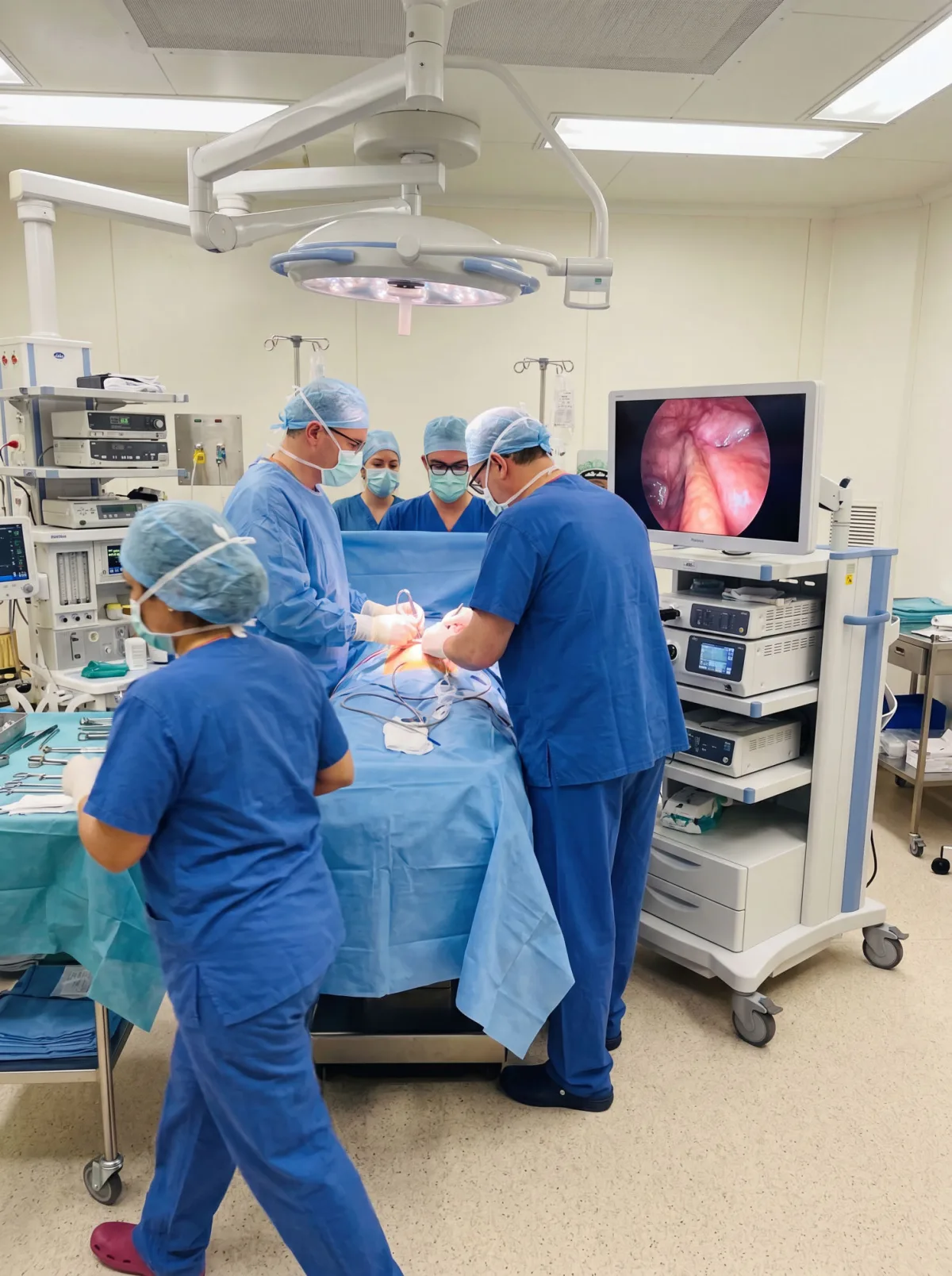
Biotech & medical devices
Patient data is processed at the point of care and never travels, which keeps the device fast, the experience private, and the compliance story dramatically simpler.
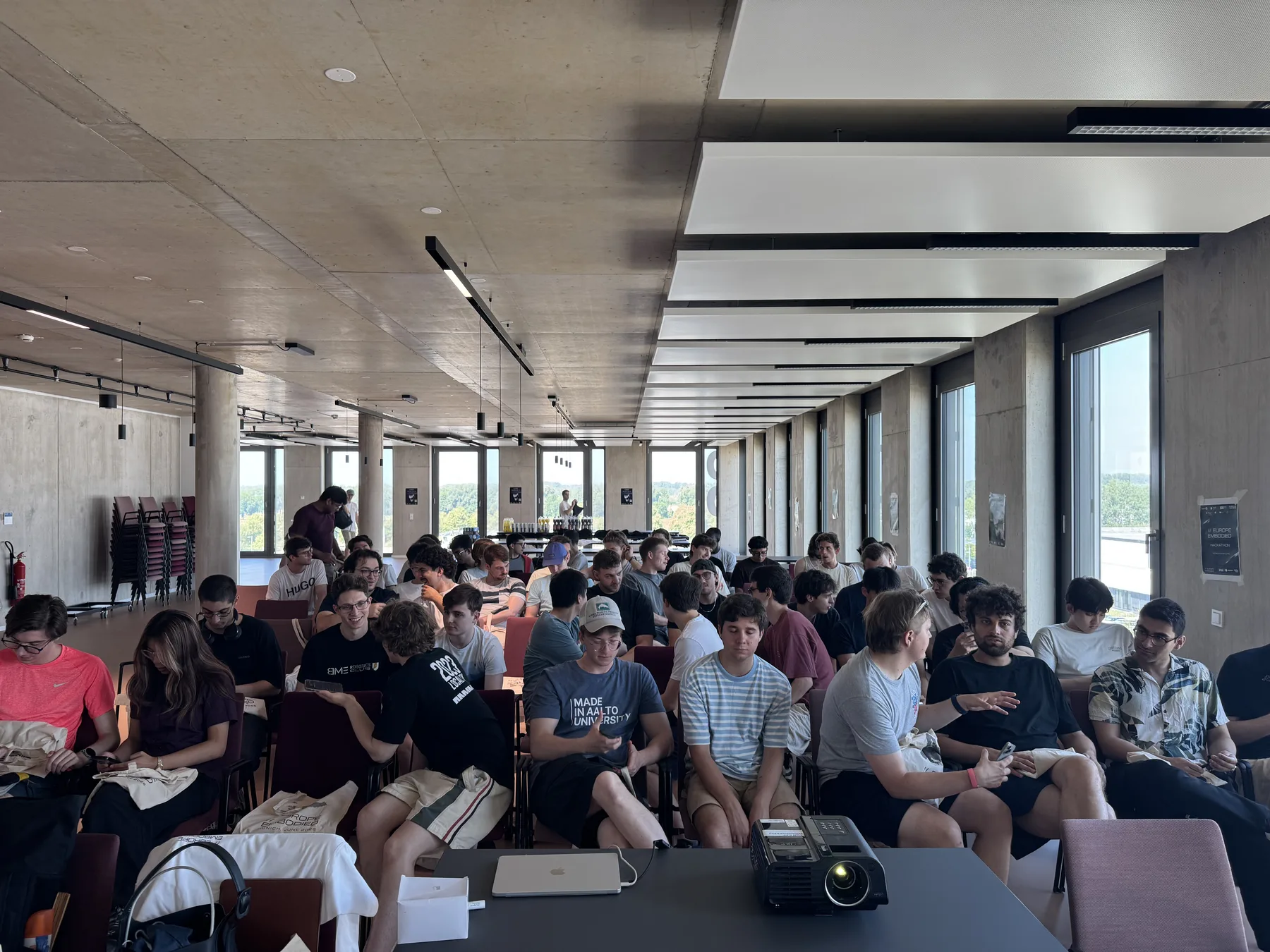
Research & development
Teams try ideas on real hardware in minutes instead of weeks, and the prototype stack is the same stack that later ships to production.
Economics
What it costs, and how to start small
The business model is deliberately simple: free software, paid hardware if you want it, and fleet services priced when they launch.
The platform
$0, foreverOperating system, developer tools, and device software are Apache 2.0 open source. No per-device fees, no seat licenses, no forced support contracts.
Wendy Box
Per box / moA portable field kit in a rugged case, as one monthly per-box subscription with the hardware included and no one-time cost. Battery inside, LTE optional, watching in under a minute. Configure and buy at wendy.dev/products/wendy-box. Or use NVIDIA and Raspberry Pi hardware you already own.
Fleet cloud
Contact usRemote updates and monitoring for scaled fleets, with hosted or local management. Contact us to scope your deployment.
The pilot path
1
Day one
One engineer, one device, one laptop. Install the free tools and see your first application running the same afternoon. No contract required.
2
Week one
Your own application running on your own hardware, with your security team reading the open-source code and published threat analysis in parallel.
3
From pilot to fleet
The workflow that ran one device runs hundreds. Fleet management adds remote updates, monitoring, and crash reporting as you scale.
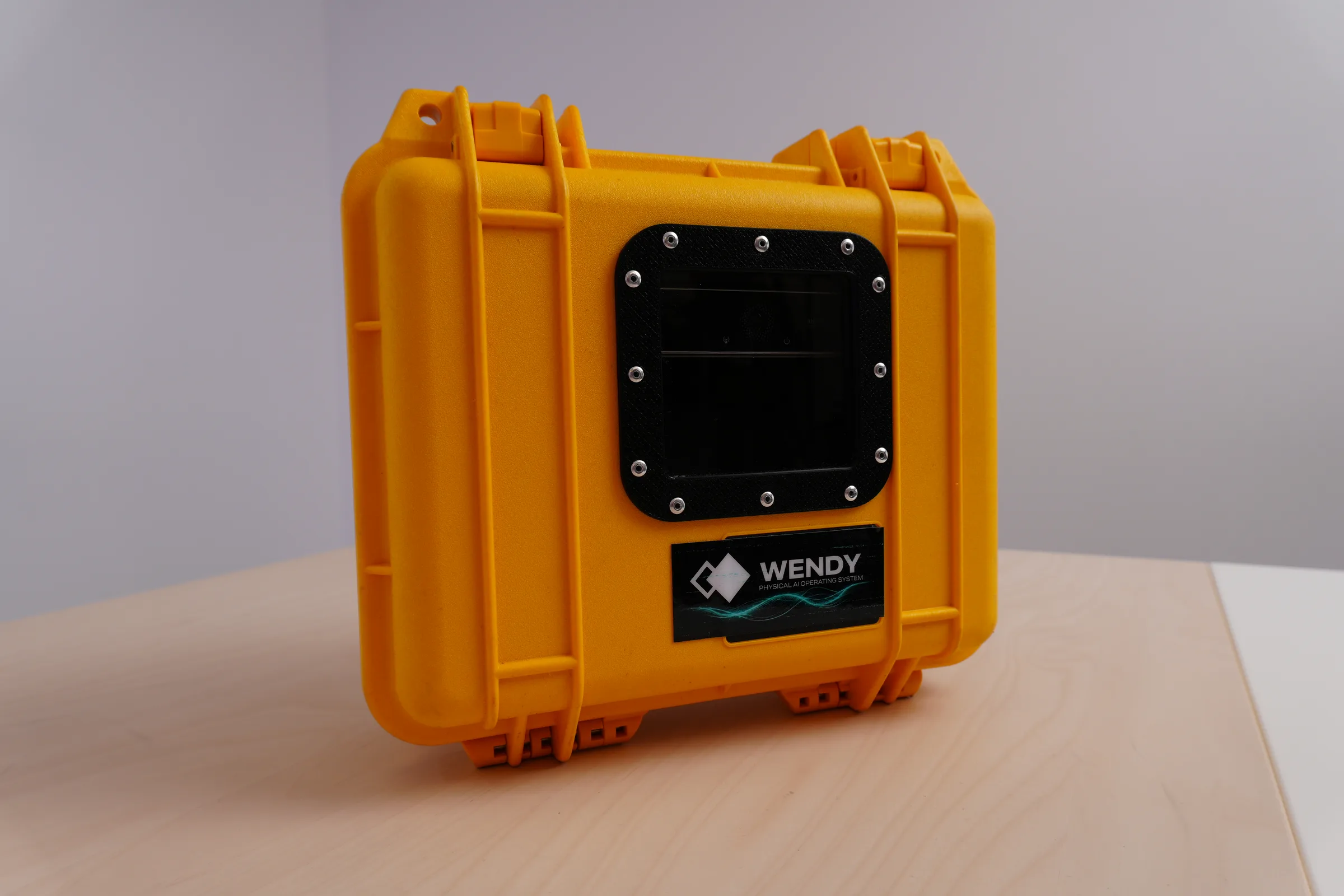
Wendy Box: computer vision in one field-ready case, no network required.
The pilot risks an afternoon of one engineer's time. The alternative, building and maintaining this capability in-house, is typically quarters of platform work before the first application ships.

Next step
See it running on your hardware.
Bring us your platform and constraints, and we will show you AI running fully on your own devices. Or hand this brief to your engineering lead along with our technical guide, and let them start a pilot this week.
© 2026 Wendy Labs Inc · Apache 2.0