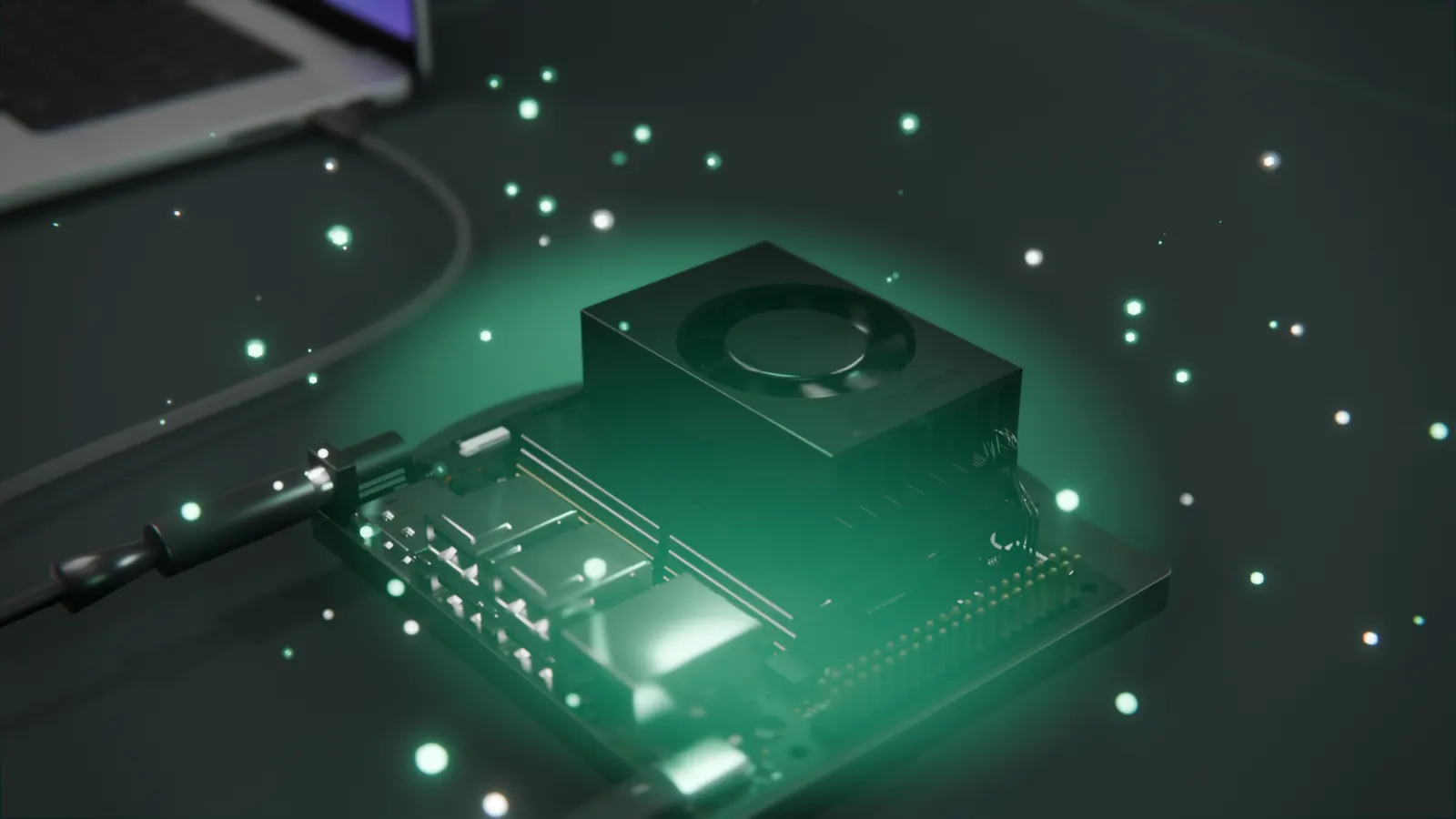


The Full StackPhysical AI Platform

Wendy is the out-of-the-box Apache 2.0 Open Source operating system for Physical AI. Deploy robots, drones, and sensors in minutes, not hours.

Get Started

WendyOS runs on NVIDIA Jetson, Thor, and Raspberry Pi— plus any x86 Intel or AMD Linux machine — letting teams deploy AI apps to the edge in seconds over USB-C, wireless, or the cloud. In one test, an MIT roboticist went from 3.5 hours of Jetson setup to a 3-minute deploy.

Features

One-command deploy

Build and ship containerized AI apps to any device with a single wendy run — no flashing, no toolchains, no setup.

Works without internet

Talk to your device over a USB-C cable in host mode, so you can develop and deploy even when the edge has no network.

Any device, any language

Runs on NVIDIA Jetson, Thor, and Raspberry Pi.

PythonC++RustMojoTypeScriptSwift

Secure by default

Fine-grained entitlements gate GPU, camera, audio, networking, and storage so every app gets only what it needs.

Updates like a phone

A/B partition OS updates with automatic rollback — push new releases to devices in the field without the risk of bricking them.

Zero-setup discovery

Devices announce themselves over mDNS, so wendy discover finds every board on USB or LAN — no IP hunting, no serial consoles.

From your machine to the edge

  • 01

    Develop from anywhere

    Build from macOS, Windows, Ubuntu, Fedora, or Arch — your existing setup just works.

  • 02

    Install effortlessly

    Install the Wendy CLI, then build and ship to any device with a single command — no flashing, no toolchains, no setup.

  • 03

    Build in Swift, or any language

    Write apps in Swift, Python, C++, Rust, Mojo, or TypeScript — or just ship a Dockerfile.

  • 04

    Deploy anywhere

    One build runs on NVIDIA Jetson Orin Nano, AGX, and IGX Thor, Raspberry Pi, and x86 Intel or AMD Linux machines — with ESP32 and macOS coming soon.

  • 05

    Cloud Integration

    Manage, monitor, and deploy your whole fleet from the cloud, with the same one-command simplicity.

    Coming soon
From the field

What teams are telling us

Early WendyOS deployments, in the words of the people running them.

Established robotics company
If we found Wendy two years ago, we would have saved $4M in product development costs.

CEO & Co-Founder

Autonomous farm & lawncare equipment

Fortune 50 oil company
I’m testing WendyOS on a Jetson to enable in-field AI to tune old, dumb control loops. I call it Automated Dynamic Local Loop Control.

Automation Manager

Refinery production improvement

Fortune 500 construction company
We stopped tech projects because they weren’t practical or helpful — but in testing, the Wendy Box is a game changer. We’re already changing how we plan to run our crews.

Site Manager

Turnaround resource management

Build robotics with the Swift skills you already have.

Swift developers can now bring the patterns they already use for iOS, Android, and backend services to robots, cameras, sensors, and edge AI hardware. WendyOS gives those teams a familiar path from typed app logic to real devices, without asking them to rebuild their workflow around a new robotics stack. Swift is memory safe, strongly typed, and has excellent interop with C and C++, so teams can work close to hardware without giving up the ergonomics of a modern app language.

That direction is backed by direct Swift ecosystem work, including the Swift Android Workgroup and the Swift Server Workgroup. The goal is simple: make robotics feel as approachable as building a modern mobile app.

ActuatorController.swift

The feedback loop

Edit code. See it running on the robot. ~3 seconds later.

$ wendy run

  • rebuild imageonly the changed file’s layer — base image and deps stay cached
  • diff against device7 of 9 layers already on the device
  • chunk + pushonly the 2 changed layers move
live on device~3s

~18s

First deploy from nothing — wendy run takes a Python HTTP server and stands it up on the device in one command. Every redeploy after that ships only what changed.

3.5 hrs → 3 min

An MIT roboticist went from a day of Jetson setup to a three-minute first deploy. Read the story.

The ~3s and ~18s figures were measured on a Jetson AGX Orin running WendyOS 0.17.0, deploying the HelloPython example over the local network. Compiled languages add a build step — Swift’s incremental redeploy landed around 30s. Numbers vary with hardware, app size, and network — so run it on your own device and see.

Why not Docker + ROS 2?

Docker runs one container on one machine you are logged into.

  • It has no answer for updating the base OS across a fleet, granting the GPU, camera, or CAN bus without --privileged, giving each device an identity, or getting DDS discovery to work across containers. That glue becomes your job.
  • WendyOS uses containers underneath — plus signed A/B OS updates that roll back on their own, hardware access you declare in wendy.json, per-device mTLS identity, and DDS-aware ROS 2 tooling built in.
  • And the loop is faster: no registry round-trip and no rebuilding on the device. wendy run builds on your own Mac or Linux box and streams only the changed layer to the device over USB-C or Wi-Fi.

Why not Ubuntu or JetPack?

On a Jetson, apt upgrade is how you brick a robot.

  • NVIDIA’s L4T stack and stock Ubuntu’s package graph disagree, and the install was never reproducible. Manage a fleet this way and you get a pile of snowflake devices, each drifted somewhere different.
  • WendyOS ships no package manager. You replace the whole rootfs atomically on an A/B slot that health-checks itself and rolls back if the new image does not boot clean — one reproducible image across Jetson and Raspberry Pi.
  • Every device boots with a cryptographic identity, and updates land like a phone, not like a server you SSH into at 2am.
  • And you don’t reflash everything: WendyOS is the image for the boards it supports, while wendy-agent brings the same deploy workflow to the Linux machines you already run — no OS swap required.

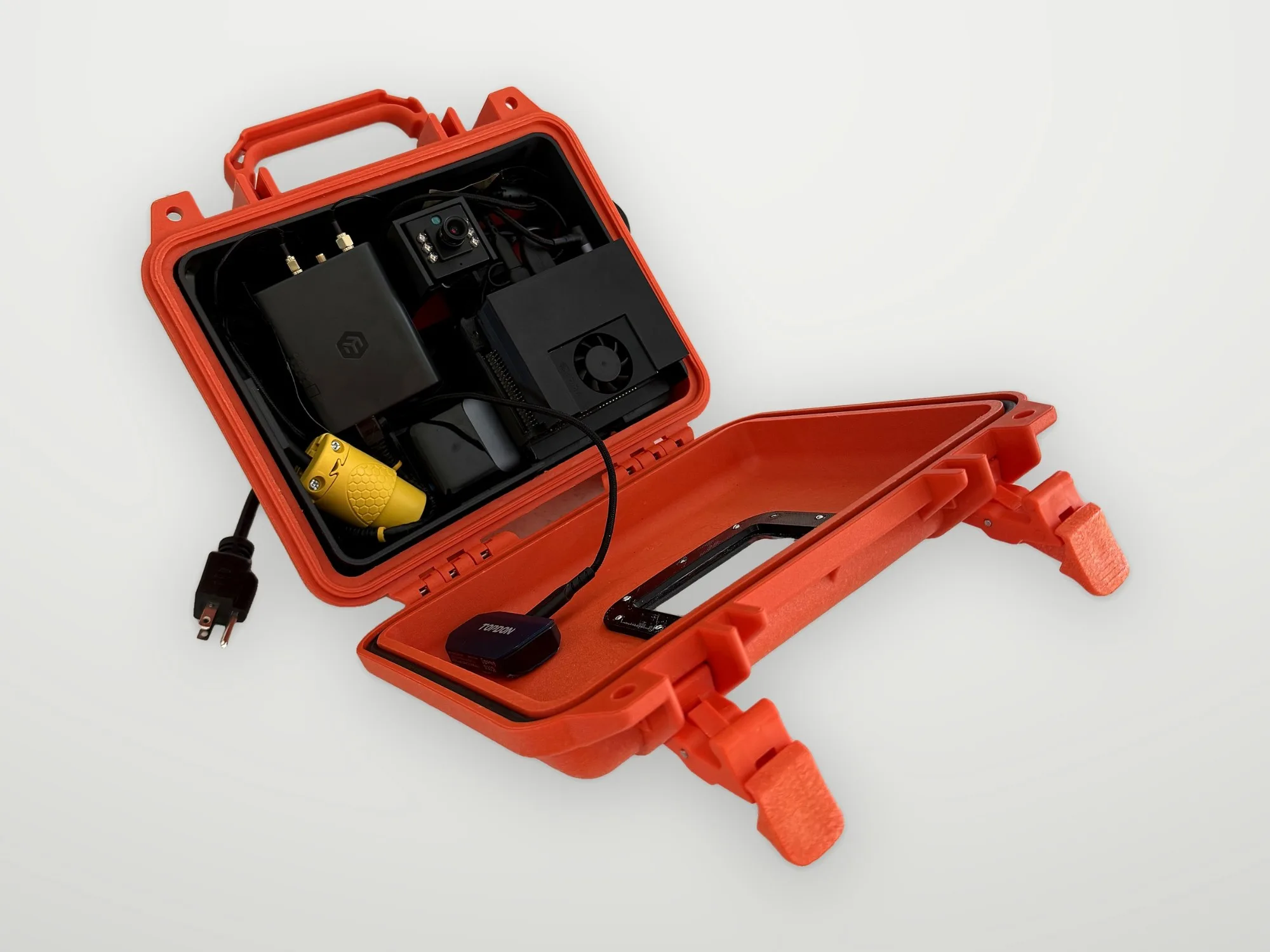
WendyOS supports NVIDIA Jetson Orin Nano and Raspberry Pi devices today, with additional NVIDIA Jetson and Linux targets in progress. Start on a supported development board, move to the Wendy Box, or install wendy-agent on compatible Linux systems for broader deployment — the same one-command workflow, no OS swap required.

Use Cases

Built for the edge, wherever it runs

From factory floors to disconnected, secure environments, WendyOS runs the AI workloads teams depend on — on the hardware they already trust.

Industrial Automation
Safety and Security
Edge AI Agents
Medical Devices
Defense Tech

Run vision, control, and inference right on the factory floor — close to the machines, with no round-trip to the cloud.

Industrial Automation
Safety and Security
Edge AI Agents
Medical Devices
Defense Tech

Physical AI deployment

Answers for teams choosing a robot and edge AI stack

Wendy is built for teams that need software running on real hardware: robots, drones, cameras, sensors, industrial systems, medical devices, and research platforms.

What is physical AI deployment?

Physical AI deployment is the process of shipping AI applications to devices that sense, move, or act in the real world. Unlike a cloud app, a physical AI system must manage hardware access, local inference, deterministic updates, device identity, logs, and failure recovery on the edge device itself.

How does WendyOS deploy apps to edge devices?

WendyOS lets developers connect supported hardware over USB-C, wireless, or cloud workflows, then use the Wendy CLI to build, deploy, and stream logs. The device runs the application locally so robots, cameras, and sensors can keep working even when internet access is unreliable or unavailable.

WendyOS vs. ROS-only workflows

WendyOS does not replace every robotics framework. It provides the operating system, deployment, update, security, and device-management layer around physical AI applications, while teams can still run robotics, computer vision, sensor, or control software in the languages and frameworks they already use.

NeedROS-only workflowWendyOS workflow
Device setupOften manual OS, driver, and network setupPurpose-built OS image with CLI-first deployment
App deploymentCustom scripts, SSH, or per-team toolingBuild, deploy, and stream logs through Wendy CLI
Production operationsUsually assembled from separate toolsDevice identity, app lifecycle, OTA updates, and fleet operations

What hardware does WendyOS support?

WendyOS supports NVIDIA Jetson Orin Nano and Raspberry Pi devices today, with additional NVIDIA Jetson and Linux targets in progress. Teams can start with supported development boards, move to the Wendy Box, or install the Wendy agent on compatible Linux systems for broader deployment workflows.

Read the WendyOS documentation

ABOUT

We buildWendyOS

The open-source operating system for Physical AI — bringing a mobile-grade developer experience to robots, drones, and edge devices. Build, deploy, and stream to hardware in seconds. Apache 2.0 open source on GitHub.

USB-C deploymentDeploy over a single cable
Wi-Fi ConfigurationOnboard to any network
Dockerfile SupportBuild from your Dockerfile
GPU AccelerationCUDA and ROCm acceleration
Peripheral SupportConnect sensors and accessories
USB SupportNative USB device access
GPIO SupportDrive pins and signals
EncryptionEncrypted at rest and in transit
Code SigningSigned, verifiable builds
SwiftFirst-class native support
RustDeploy Rust with ease
C++High-performance workloads
PythonShip Python in containers
MojoNext-gen Mojo performance
BluetoothPair and stream wirelessly
EthernetWired networking built in
AudioCapture and play audio
VideoCamera and video pipelines
StreamingLow-latency media streaming
DeploymentPush apps to any device
RollbackRevert to a known-good state
OS UpdatesOver-the-air OS updates
App UpdatesUpdate apps without downtime
Remote ControlOperate devices from anywhere
USB-C deploymentDeploy over a single cable
Wi-Fi ConfigurationOnboard to any network
Dockerfile SupportBuild from your Dockerfile
GPU AccelerationCUDA and ROCm acceleration
Peripheral SupportConnect sensors and accessories
USB SupportNative USB device access
GPIO SupportDrive pins and signals
EncryptionEncrypted at rest and in transit
Code SigningSigned, verifiable builds
SwiftFirst-class native support
RustDeploy Rust with ease
C++High-performance workloads
PythonShip Python in containers
MojoNext-gen Mojo performance
BluetoothPair and stream wirelessly
EthernetWired networking built in
AudioCapture and play audio
VideoCamera and video pipelines
StreamingLow-latency media streaming
DeploymentPush apps to any device
RollbackRevert to a known-good state
OS UpdatesOver-the-air OS updates
App UpdatesUpdate apps without downtime
Remote ControlOperate devices from anywhere

Built on WendyOS

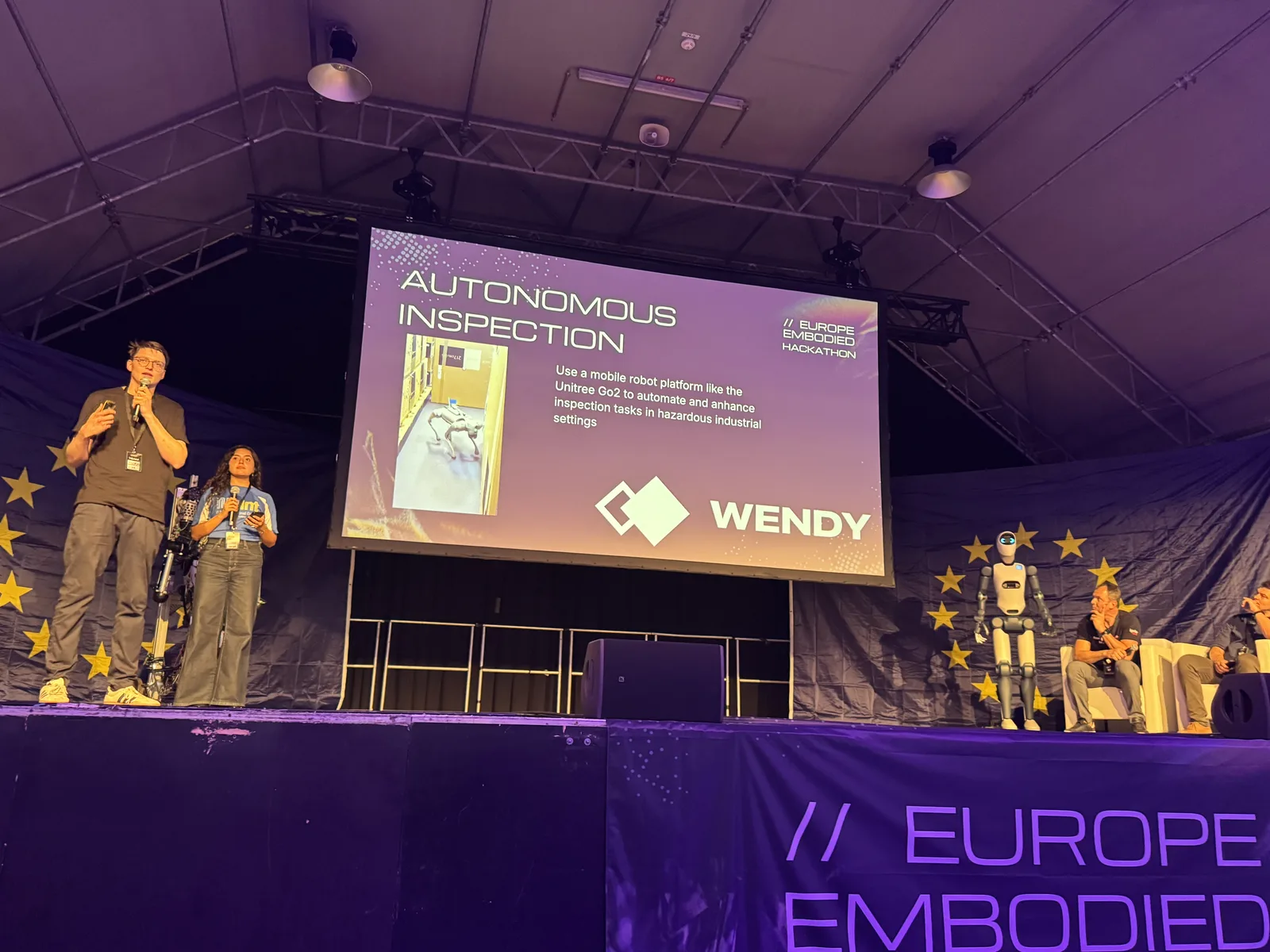
Around a hundred developers at the EUROPE EMBODIED Robotics Hackathon, where teams built on WendyOS
100+ developers at the EUROPE EMBODIED Robotics Hackathon in Munich, where teams built autonomous inspection systems on WendyOS.
The speed test

3.5 hours → 3 minutes

We challenged MIT robotics student Claire Wang to get code running on a Jetson Orin Nano twice: once the traditional way, once with WendyOS. The traditional setup took 3.5 hours of flashing, cables, and extra hardware. WendyOS took 3 minutes.

Claire Wang

MIT Electrical Engineering & Robotics

Watch the experiment
A real robot, built by the community

Autonomous Go2 inspector in 48 hours

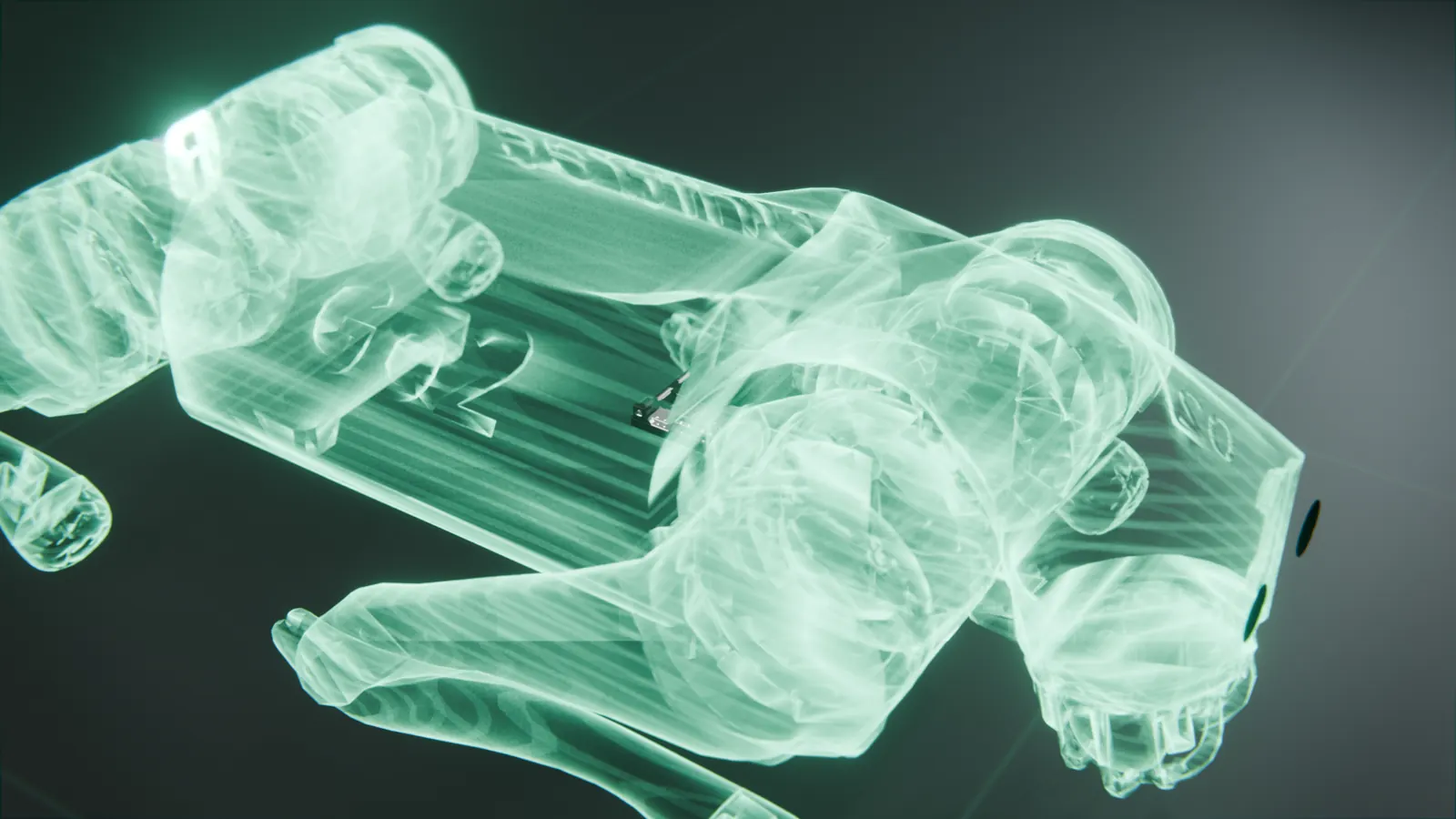
"48 hours of continuous, sleep-deprived coding successfully turned into an edge-deployed, cloud-connected autonomous inspector." A hackathon team ran ROS 2, SLAM, Nav2, and LLM control on a Jetson booted with WendyOS — riding a Unitree Go2 quadruped.

Anirudh Jupudi

EUROPE EMBODIED Robotics Hackathon

Read the story

Get build-along updates from the Wendy team

New releases, deploy guides, and edge-AI notes — the useful stuff, roughly monthly. No spam, unsubscribe anytime.

background home assistant robot

Ready to build on WendyOS?

WendyOS is the open-source operating system for Physical AI — deploy your apps to NVIDIA Jetson, Raspberry Pi, and more in seconds, over USB-C, wireless, or the cloud.