Existing Linux systems
Install the agent on compatible arm64 or x86_64 Linux devices, including NVIDIA DGX Spark, PCs, workstations, and servers. Match accelerator support to the host's drivers and runtime.
Install Wendy Agent on LinuxChoose a WendyOS Linux image, install Wendy Agent on an existing Linux or Apple Silicon Mac, or connect supported microcontrollers. The platform connects these targets through development, simulation, data, and fleet tools. Each target has its own image, runtime, drivers, and installation path.
WendyOS supports arm64 and x86_64, with NVIDIA Jetson, Raspberry Pi, and Qualcomm Dragonwing targets. USB flashing is available where supported; SD card, NVMe, and eMMC images depend on the target. Select the exact board and revision in the installation guide rather than assuming one image covers a whole family.
| Device | SoC | Boot storage | AI acceleration | Status |
|---|---|---|---|---|
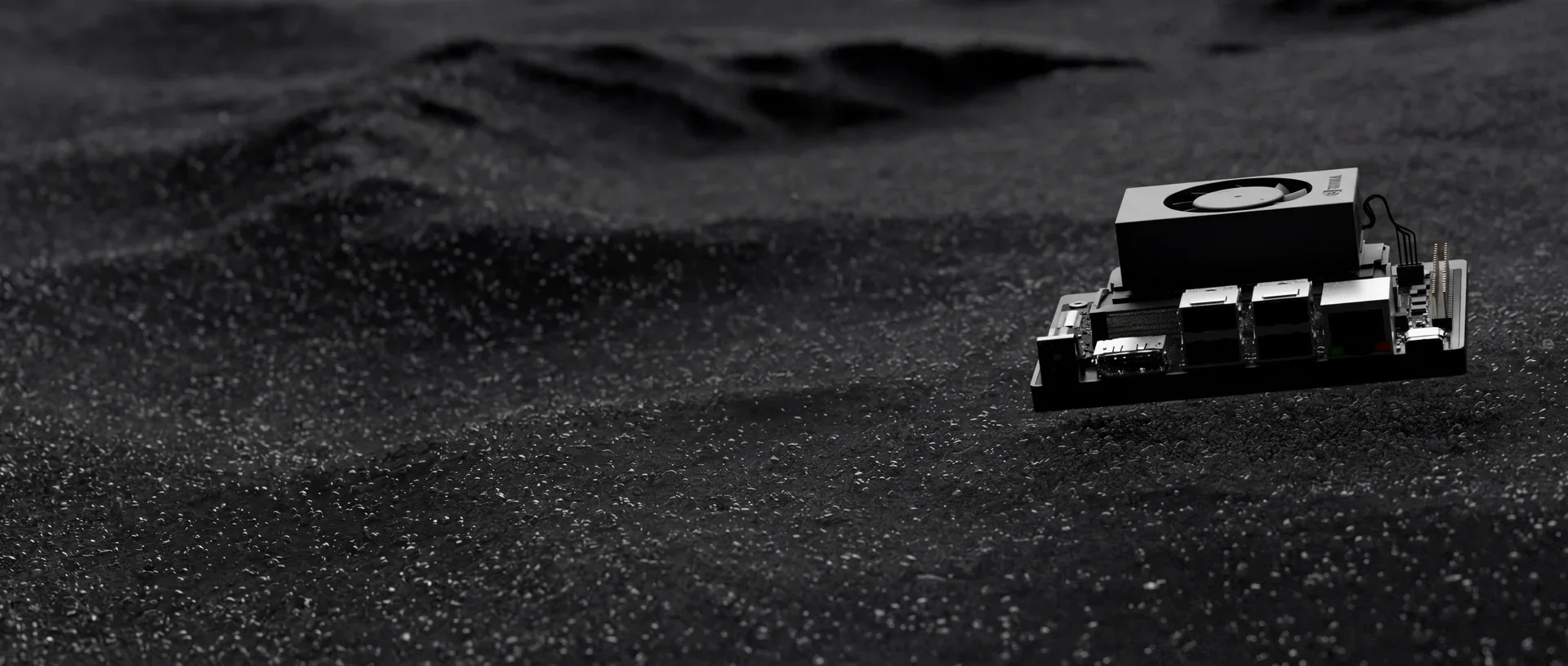
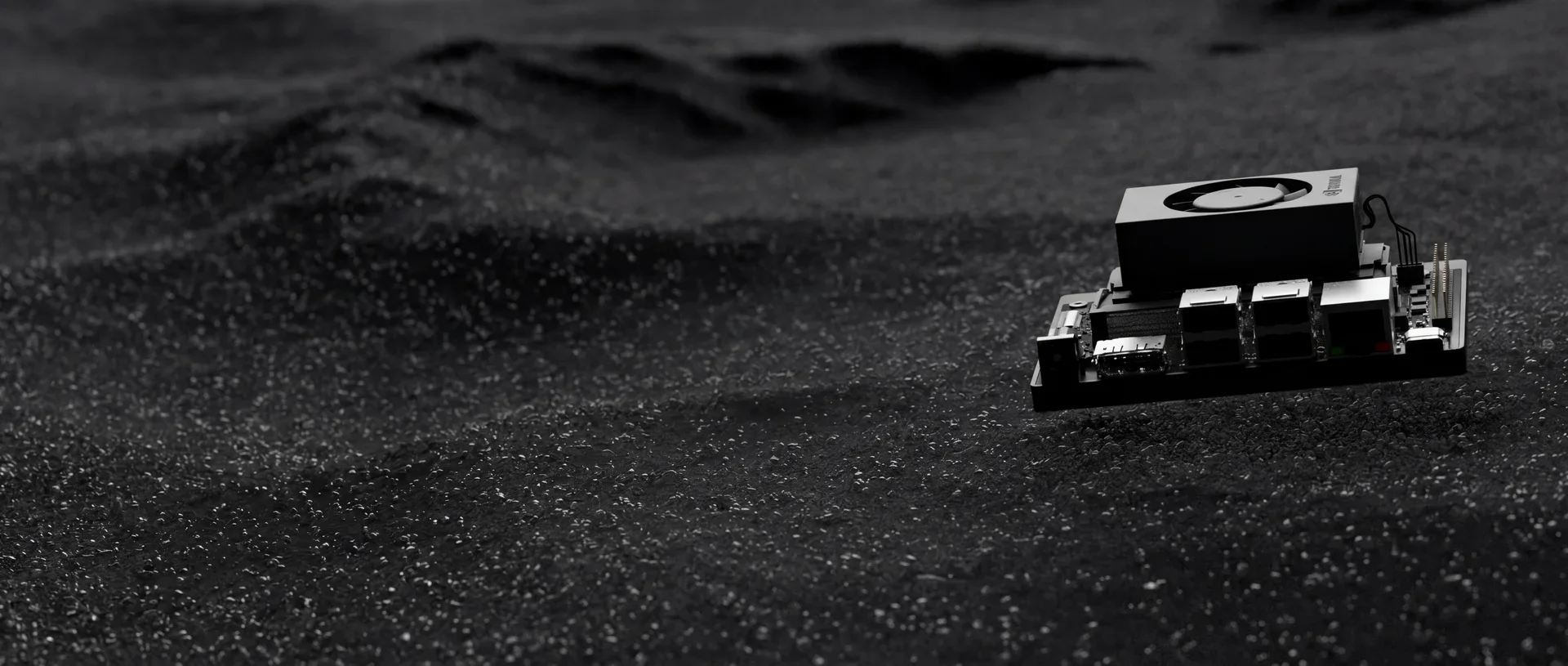
NVIDIA Jetson Orin Nano Our primary target — the board behind Wendy Box. | Tegra234, 8GB | SD card or NVMe | CUDA, TensorRT, optional DeepStream | Available |
Raspberry Pi 5 | BCM2712, 8GB | SD card or NVMe | — | Available |
Raspberry Pi 4 / 3 | BCM2711 / BCM2837 | SD card | — | Available |
NVIDIA Jetson AGX Orin | Tegra234, 64GB | eMMC or NVMe | CUDA, TensorRT, optional DeepStream | Available |
NVIDIA Jetson AGX Thor | Tegra264 (JetPack 7.2) | NVMe | CUDA 13 stack | Available |
Qualcomm Dragonwing Choose the image and flashing procedure for your board. | Target-specific | See the target installation guide | GPU / NPU support depends on the target and drivers | Available |
x86_64 systems Use a WendyOS image for your target, or keep the existing Linux OS and install Wendy Agent. | Intel or AMD | Target-specific image and storage | Supported accelerators and drivers | Available |
QEMU ARM64 For development and CI without hardware. | Emulated | Virtual disk | — | Dev only |
Listed memory sizes identify the example configurations, not minimum requirements or every supported variant. Check your exact target, driver stack, image, and storage before installing.
Wendy Agent runs on Linux and M-series macOS devices today. These hosts keep their existing operating system while joining Wendy's development and device-management workflow.
Install the agent on compatible arm64 or x86_64 Linux devices, including NVIDIA DGX Spark, PCs, workstations, and servers. Match accelerator support to the host's drivers and runtime.
Install Wendy Agent on LinuxUse Wendy Agent on an M-series Mac, including Mac mini or Mac Studio. This is a macOS agent path; WendyOS remains the Linux distribution. Choose app builds and hardware interfaces for the Mac target.
Set up an Apple Silicon MacSupported microcontrollers, including ESP32 targets, join Wendy through their firmware and pairing workflow. Mount your microcontrollers as local input devices. Mesh connectivity and zero-code sensor pairing bring their cameras, microphones, and time-series measurements into your application. Code signing and A/B firmware updates support the device lifecycle.
Microcontrollers use a separate firmware path from WendyOS Linux images. Check the chip and attached sensor in the microcontroller setup guide.
The Wendy CLI runs on macOS, Windows, and Linux. Build, deploy, and debug from your development machine; connect remote peripherals, inspect audio, video, and ROS 2 data, and manage devices locally or through Wendy Cloud. Transport and hardware capabilities vary by target.
Wendy's MuJoCo-based Simulator runs on macOS or WendyOS devices, with clustering, remote Mac rendering, and hardware or VMs in the loop. Supported physical devices can provide I/O to an experiment. Record observations for analytics and model training, then deploy the next version through the same platform.
Find the setup for your target in the Wendy documentation, or tell us what you're building.
Use WendyOS on your hardware or add Wendy Agent to an existing Linux or Apple Silicon Mac. Connect sensors, run your code, and carry what you learn into the next release.